Retro Gaming Pixel Heart: Graphics & Illustrations
As a brand designer and content marketer, I am constantly scanning the creative marketplace for assets that offer more than just aesthetic appeal. I look for graphic design assets that can carry a narrative, evoke specific emotions, and integrate seamlessly into a broader visual strategy. Recently, I reviewed the Retro Gaming Controllers Pixel Heart collection for an upcoming campaign, and the potential for this digital product to elevate small business branding is significant.
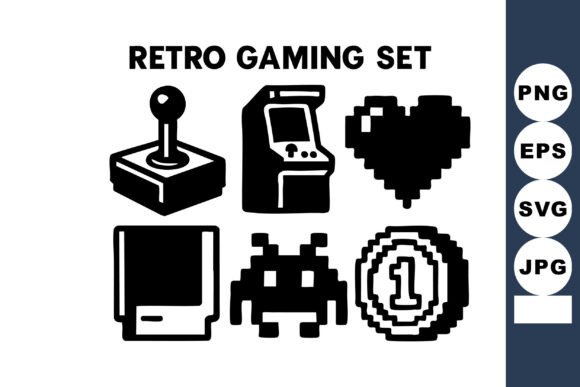
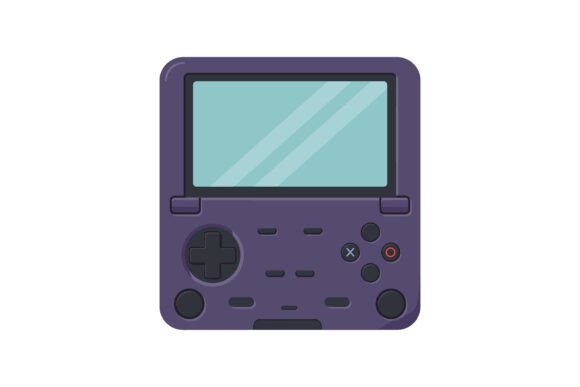
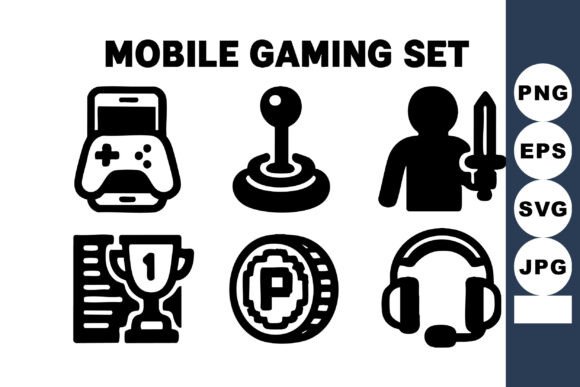
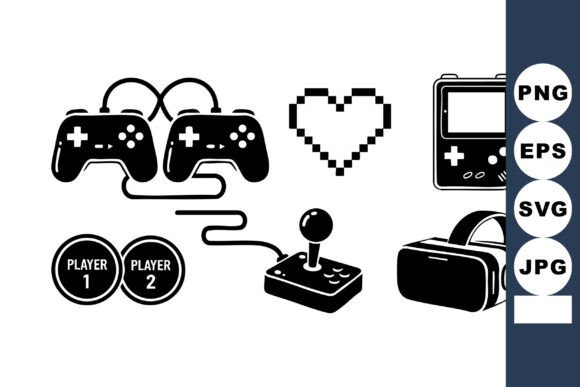
The project at hand involves launching a limited-edition "Nostalgia Box" for a lifestyle subscription service targeting millennials. The goal was to create a visual identity that feels authentic to the 8-bit era without slipping into kitsch or looking unprofessional. Upon first inspection, the Retro Gaming Controllers Pixel Heart set immediately established the right tone. This vector illustration features retro gaming controllers, pixel hearts, player buttons, joysticks, handheld consoles, and virtual reality headsets in a crisp black and white style. The playful nostalgic mood is palpable, yet the clean lines ensure it remains versatile enough for professional branding.
Establishing Emotional Connection Through Visuals
In content marketing, the first three seconds are critical. When a potential customer sees a social media post or a landing page, the imagery must instantly communicate the brand's personality. The Retro Gaming Controllers Pixel Heart asset succeeds here by tapping into a shared cultural memory. It triggers feelings of fun, simplicity, and community. For our campaign, this meant we could bypass lengthy copy explanations; the image itself told the story of "play" and "connection."
The black and white style is particularly strategic. While color is often used to grab attention, monochrome illustrations provide a sophisticated anchor in a sea of loud, saturated ads. This allows the visual hierarchy to remain clear. When paired with a bold accent color in the background—perhaps a neon green or electric blue—the stark contrast of the pixel art creates a striking focal point. This approach builds audience trust by showing that the brand understands design principles and isn't just throwing random elements together.
Practical Applications Across Marketing Channels
The versatility of this design bundle is where it truly shines for marketers and creators. During our review process, we mapped out several use cases where these graphics could drive engagement:
- Social Media Graphics: The pixel heart and controller icons are perfect for Instagram Stories and Pinterest pins. They act as engaging stickers that encourage interaction, such as "Tap if you remember this."
- Packaging Design: We plan to use the joystick and handheld console motifs on the exterior of the subscription boxes. As a printable design, the vector quality ensures sharp edges even when scaled down for product labels.
- Digital Ads: For Facebook and Google display ads, the clean lines of the SVG design load quickly and remain legible on mobile screens, crucial for maintaining a modern design feel.
- Email Banners: Using the VR headset graphic as a header element adds a futuristic twist to the retro theme, bridging the gap between past and present technologies.
- Merchandise and Stickers: These assets are ideal for creating bonus swag. A simple pixel heart sticker on a laptop or water bottle serves as a subtle brand ambassador.
Furthermore, these elements work exceptionally well within a Canva template. By importing the PNG design files with transparent backgrounds, non-designers on the team can quickly assemble consistent marketing visuals without needing advanced software skills. This democratization of design helps maintain brand identity across all touchpoints.
Strategic Placement and Visual Balance
While the Retro Gaming Controllers Pixel Heart collection is powerful, knowing where to place it is just as important as knowing how to use it. In our workflow, we identified specific areas where these clipart elements serve as hero graphics. They excel in campaign headers and product launch visuals where the image is the primary hook. They also function beautifully as decorative brand elements in editorial layouts, breaking up text blocks in blog posts or lead magnets.
However, caution is required. In formal corporate branding or dense information layouts, these playful icons might distract from the core message. If the goal is to convey serious financial advice or medical information, the whimsical nature of pixel art could undermine audience trust. Additionally, in overly minimal brands that rely on vast whitespace and thin typography, these detailed pixel forms might feel too heavy. We also noted that in text-heavy ads, the asset should be used sparingly to avoid competing with the call-to-action.
Designer Notes for Implementation
To get the most out of this commercial design asset, I recommend a few practical steps before finalizing any campaign materials:
- Test with Brand Colors: Although the original files are black and white, experiment with recoloring them to match your specific palette. Ensure the contrast remains high enough for accessibility.
- Mobile Preview: Always preview the social media graphics on actual mobile devices. Pixel art can sometimes lose definition if scaled incorrectly on high-DPI screens.
- Typography Pairing: These illustrations pair wonderfully with blocky sans-serif fonts that mimic digital displays, but they also create an interesting juxtaposition with elegant script fonts or classic serif fonts for a high-low fashion look.
- Spacing and Balance: Give the pixel elements room to breathe. Crowding them against other design elements can make the layout feel messy rather than retro-chic.
- Licensing Verification: Before using these assets in paid campaigns or client work, always confirm the commercial license terms. Ensure you have the rights for unlimited impressions and merchandise production if applicable.
Ultimately, the Retro Gaming Controllers Pixel Heart is more than just a collection of images; it is a storytelling tool. For small business owners, online coaches, and product creators, it offers a way to inject personality into their web design and editorial design projects. By leveraging the nostalgia of gaming culture, brands can create a deeper emotional resonance with their audience. Whether used for a seasonal offer, a content kit refresh, or a full rebrand, this graphic design asset proves that sometimes, the simplest pixels leave the biggest impression.
In a market saturated with generic stock photography, choosing a distinct illustration style like this helps a brand stand out. It signals creativity, attention to detail, and a willingness to embrace fun. As we move forward with our "Nostalgia Box" launch, these graphics will be central to our visual language, proving that effective brand communication often lies in the details we choose to highlight.